
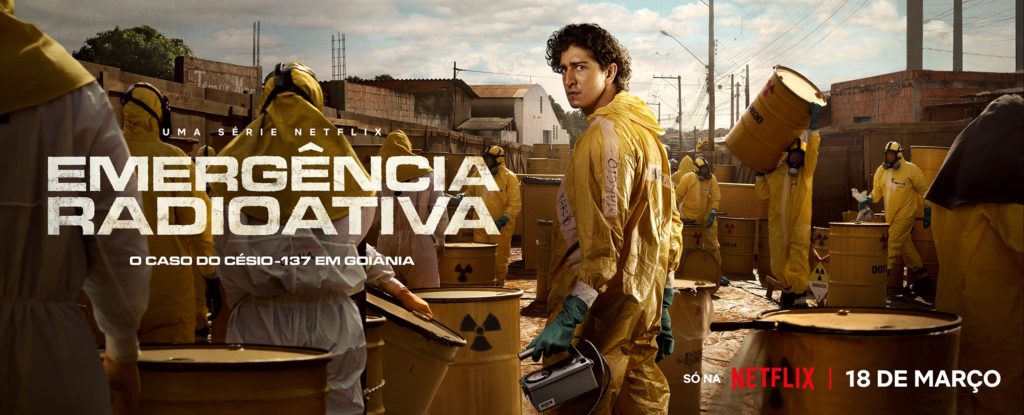
Recently, a Netflix series about a tragic lead poisoning disaster in Brazil caught many people’s attention and reminded us of how negligence in chemical management could have devastating consequences.
The first few episodes spark a deep sense of dread in the viewer, as we watch the protagonists face a massive risk they completely fail to understand, with absolutely no tools to manage it.
While the chances of finding ourselves in a situation like that during our daily lives are slim, there are substances all around us that demand our attention.
Over time, we have learned to integrate hazardous substances into manufacturing and production processes under strict control and prevention protocols. However, the effectiveness of these safety measures still relies entirely on human diligence.
A Crucial Element in Our Lives
We are all familiar with chlorine—a true hero of public health. We use it to purify the water we drink, sanitize surfaces, and even bleaching our clothes. Since its introduction, it has saved millions of lives by preventing the spread of waterborne diseases like cholera and typhoid fever. However, that clear liquid we know isn’t its only form. Chlorine also exists as a gas, which comes with entirely different properties and risks.
Chlorine gas is widely used to manufacture essential everyday items, such as PVC and the famous vinyl records. It is a powerful disinfectant, but also a severe respiratory irritant that can be extremely toxic—and even lethal—in high concentrations. This greenish-yellow gas has a pungent, suffocating odor, and as it is highly dense, it tends to settle in low-lying areas, drastically increasing the risk of exposure in the event of a leak.
The flip side of the Coin
Accidents across the region give us a reality check of just how dangerous a single cylinder of chlorine gas can be. Latin American history includes alarming precedents of massive toxic clouds caused by transport or storage failures. The toll has been devastating: dozens lost their lives, and hundreds more were left with chronic respiratory damage.
Costa Rica is no an exception. In November 2002, a severe toxic emergency at the Irex factory in the province of Cartago triggered a massive chlorine gas leak after a container valve failed. The incident forced the immediate evacuation of more than 3,000 people from nearby communities and mobilized first responders to treat dozens of patients suffering from acute respiratory distress.
Last May, chemical risk alarms went off yet again near Route 32. The apparent illegal dumping of chemical waste forced authorities to activate emergency protocols, cordoning off a security perimeter and evacuating everyone within a 100-meter radius to prevent potential exposure.
A chlorine gas release also puts nearby ecosystems on the line. The gas causes an immediate and severe ecological impact due to its extreme oxidizing power. When it reacts with moisture or bodies of water, it forms hydrochloric acid, which damages vegetation on contact and is highly lethal to aquatic life.
These events underscore the ever-present threat of a leak and the urgent need for responsible industrial practices. Anyone working with chlorine gas must not only be trained to operate it but also know how to protect themselves and react to the unexpected.
Chemical safety rests on three fundamental pillars: personal protective equipment (PPE), response protocols, and equipment monitoring and maintenance.
It is vital to have self-contained breathing apparatuses (SCBA) and fully encapsulated hazmat suits on hand. Furthermore, facilities using chlorine gas must have clear, well-rehearsed contingency plans coordinated with local authorities. Finally, implementing early-detection leak sensors allows for automated alerts before the gas can build up.
All of this must be backed by a rigorous preventive maintenance schedule for cylinders, valves, and piping.
Chlorine serves as a constant reminder that the ultimate impact of any chemical depends entirely on how it is managed. Technical rigor and corporate responsibility are what allow us to safely harness the benefits of science.